


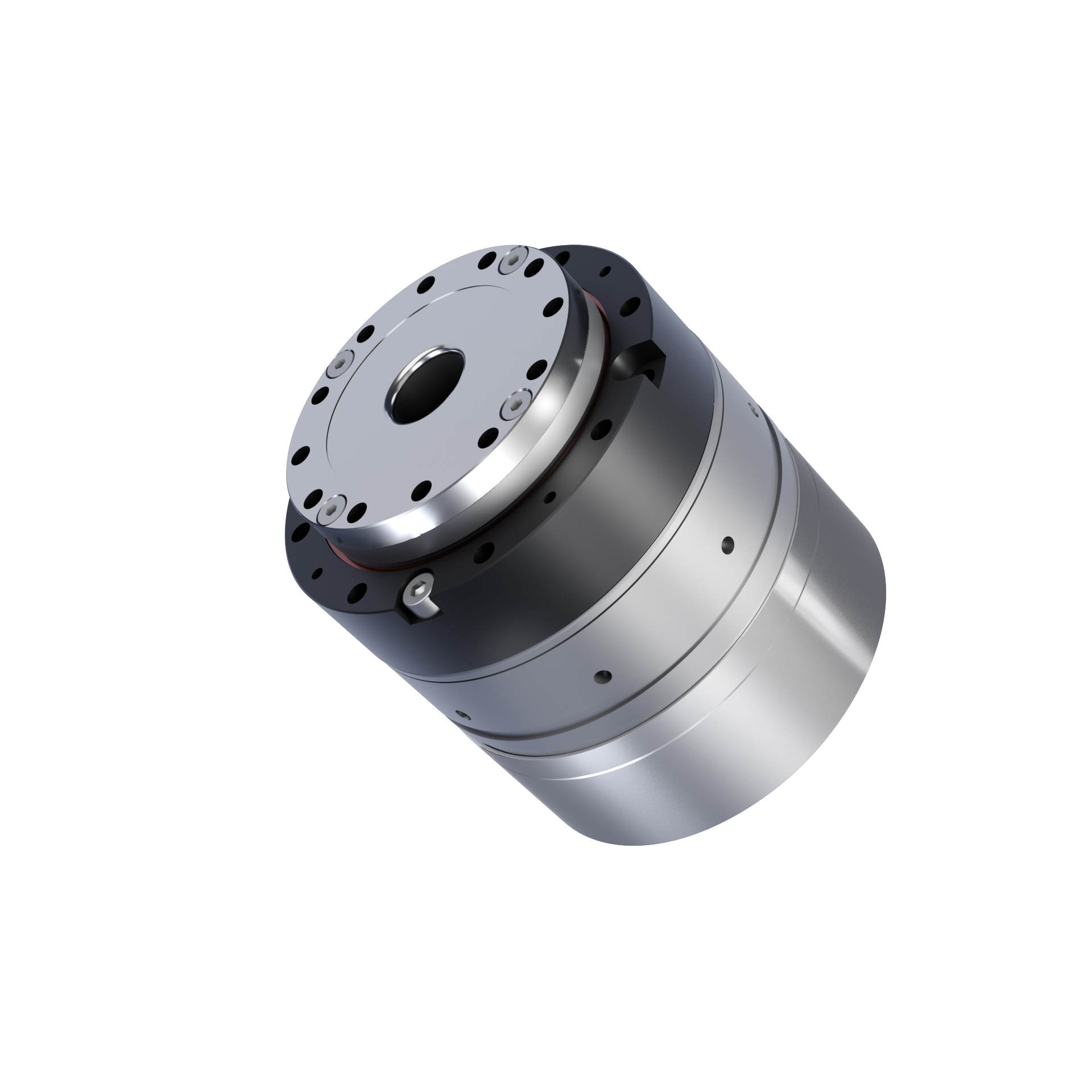
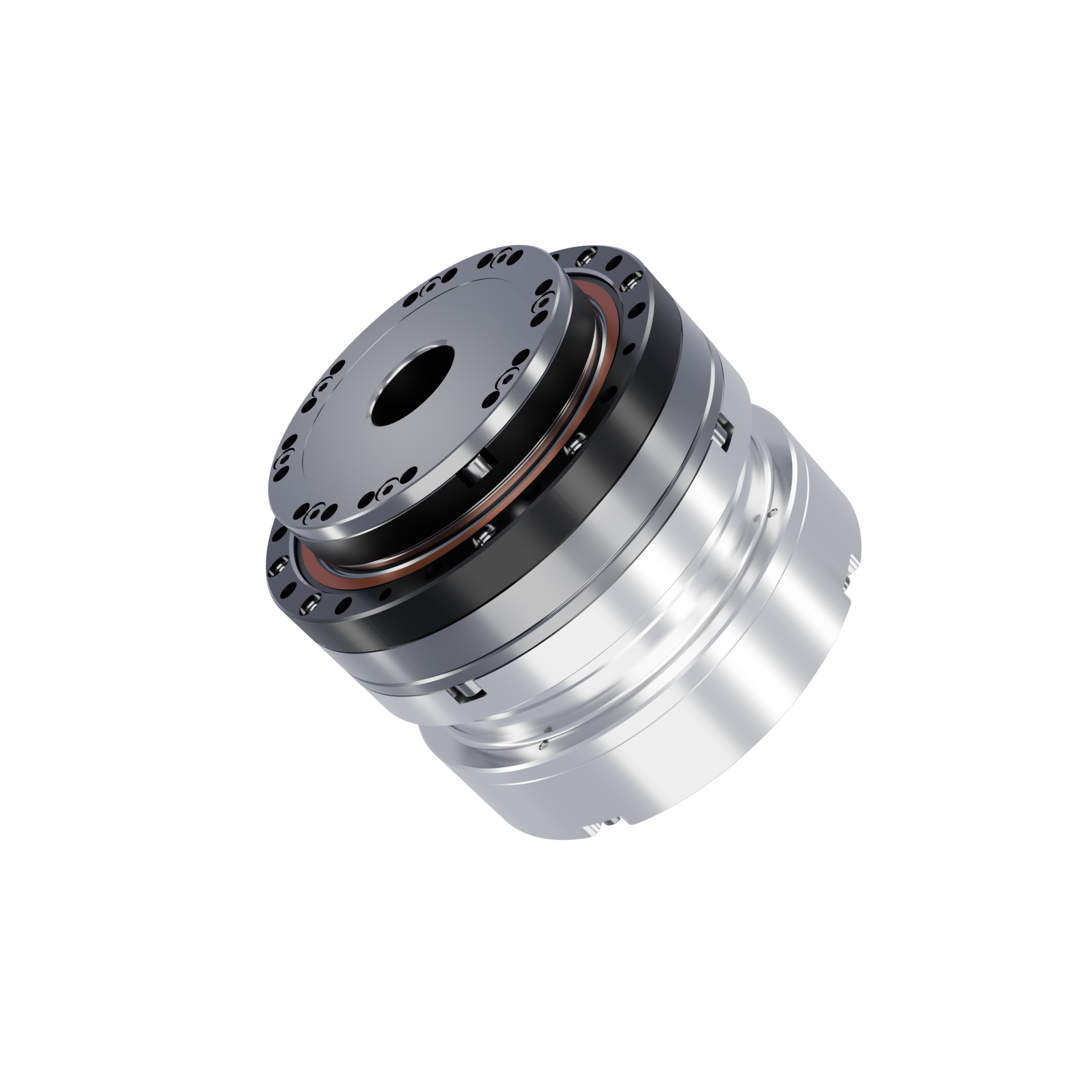
HJ2-80F101D24-NK-EC 80mm Harmonic Integrated Actuator , EtherCAT Communication Robot Joint Module
 Production & Delivery
 Production & Delivery
- Our products normally take 2‑4 weeks for shipment after order confirmation.
- Shipping term: FOB Shenzhen.
- Packaging notice: Product packaging may display the Leadtron or Leading Robotics logos, both part of the Leadshine group.
 Professional Service
 Professional Service
We provide customers with timely and professional pre-sales and after-sales technical support. Additionally, products can be customized according to customer requirements.
 Payment Methods
30N·m|66N·m|48RPM|958g
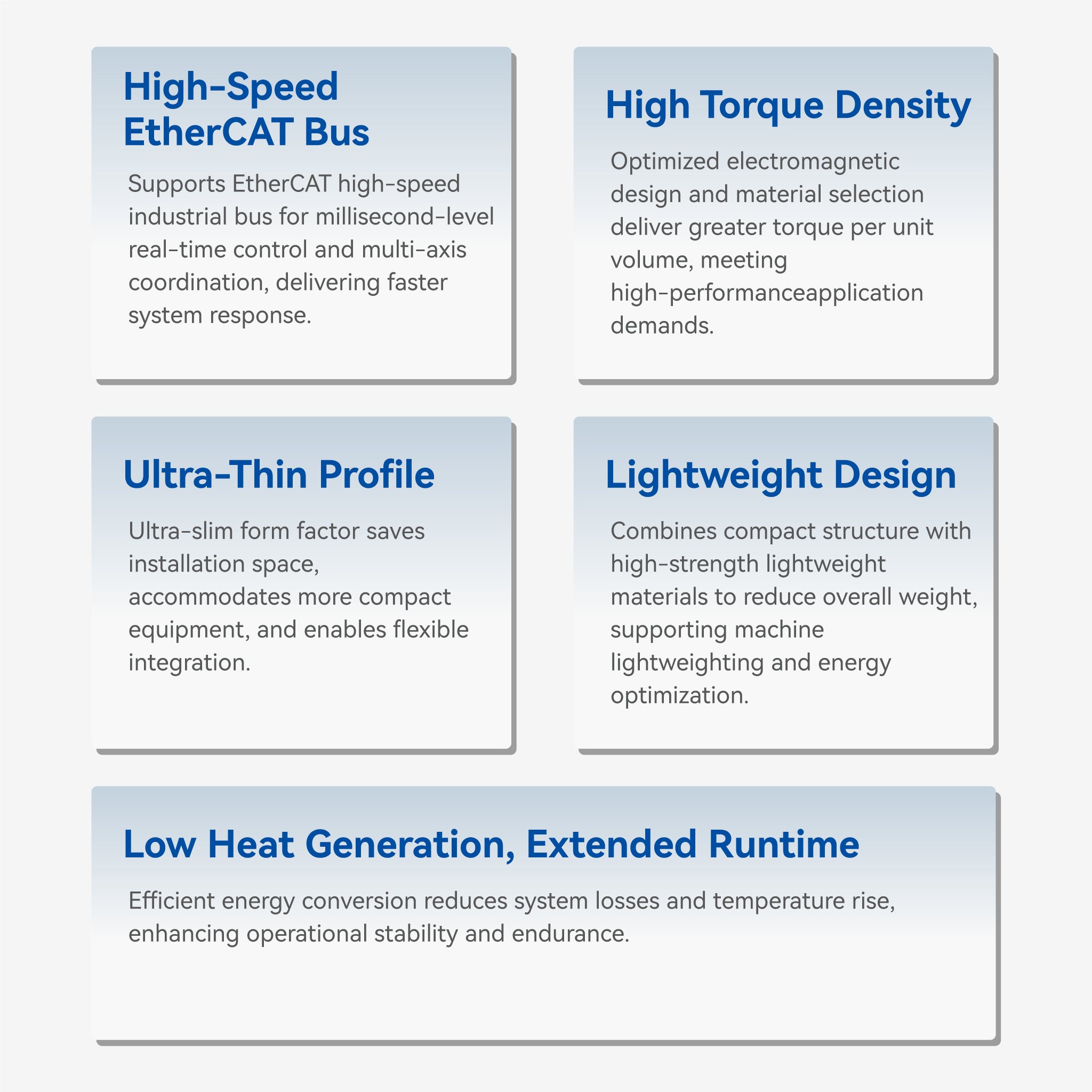
- High Torque Density – Delivers 30 N·m rated torque (@2000 rpm) and 66 N·m peak torque in a compact 80mm harmonic integrated actuator.
- EtherCAT Communication – Supports EtherCAT industrial bus for high-speed, deterministic real-time motion control.
- Ultra-Compact 80mm Design – Harmonic drive architecture reduces overall volume by 20%, enabling highly integrated robotic joint applications.
- Fast Dynamic Response – Low inertia transmission ensures smoother motion, faster response, and higher positioning accuracy.
- Dual Heat Dissipation Design – Optimized thermal structure ensures stable operation and ultra-long endurance under continuous load.
- Lightweight Structure – Weighing only 958 g, optimized for compact robotic arms and precision joint systems.
HJ2-80F101D24-NK-EC 80mm Harmonic Integrated Actuator , EtherCAT Communication Robot Joint Module
Sale price$729.00
Regular price$749.00
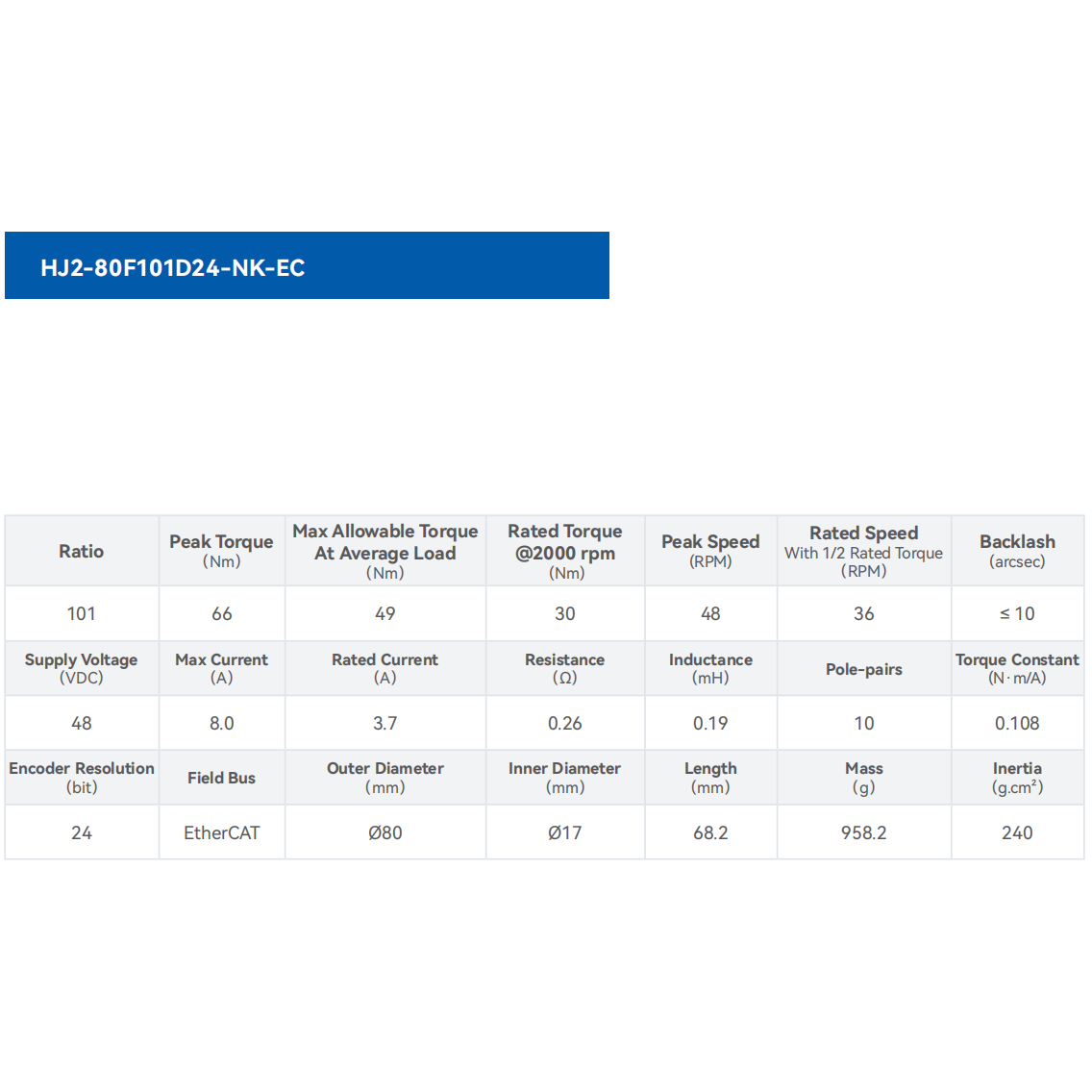
Radio
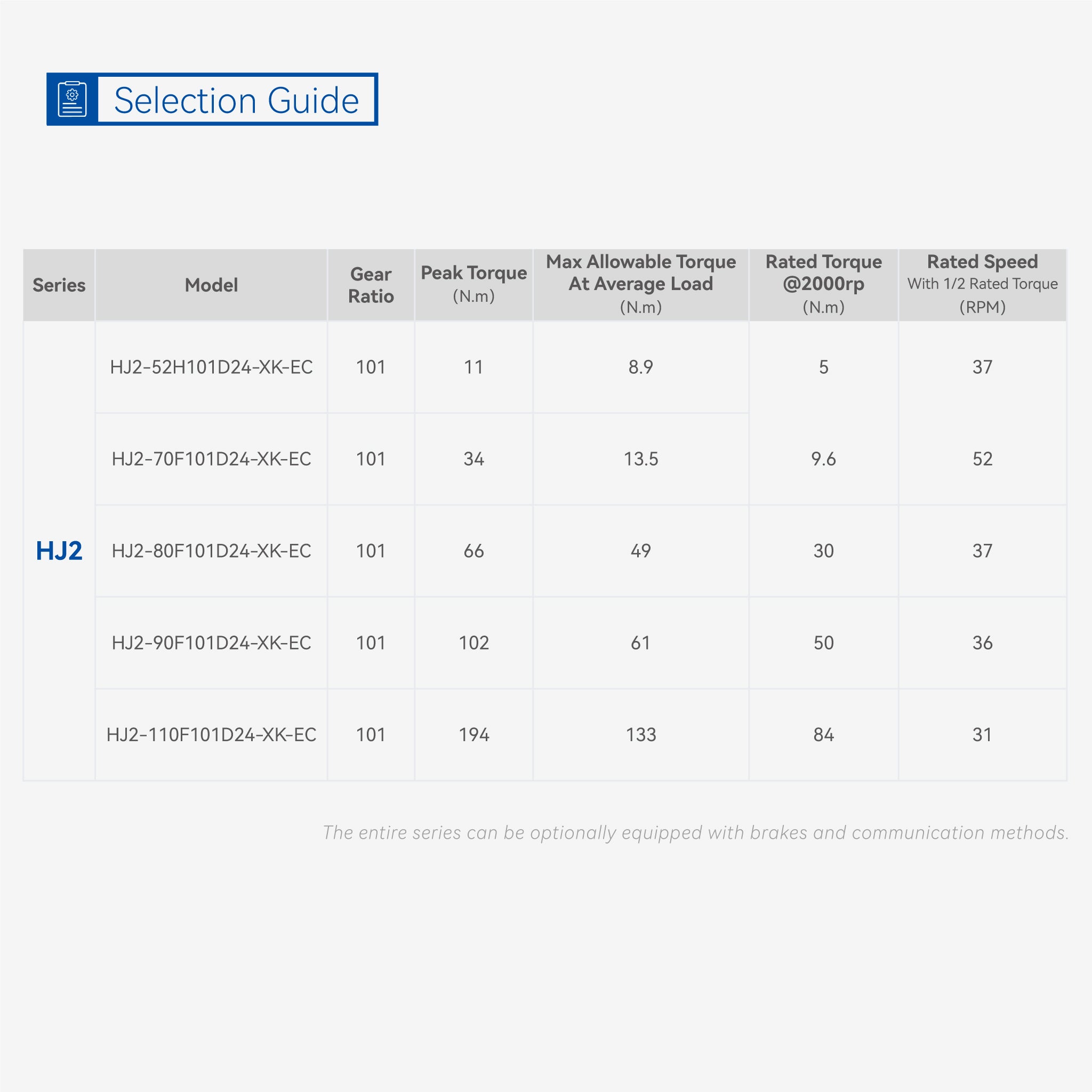
101
Peak Torque (N·m)
66
Max Allowable Torque at Average Load (N·m)
49
Rated Torque @2000 rpm (N·m)
30
Peak Speed (RPM)
48
Rated Speed with 1/2 Rated Torque (RPM)
36
Backlash (arcsec)
≤10
Supply Voltage (VDC)
48
Max Current (A)
8
Rated Current (A)
3.7
Resistance (Ω)
0.26
Inductance (mH)
0.19
Pole-pais
10
Torque Constant (N·m/A)
0.108
Encoder Resolution (bit)
24
Field Bus
EtherCAT
Outer Diameter (mm)
φ80
Inner Diameter (mm)
φ17
Length (mm)
68.2
Mass (g)
958.2
Inertia (g·cm² )
240
Why Choose Us
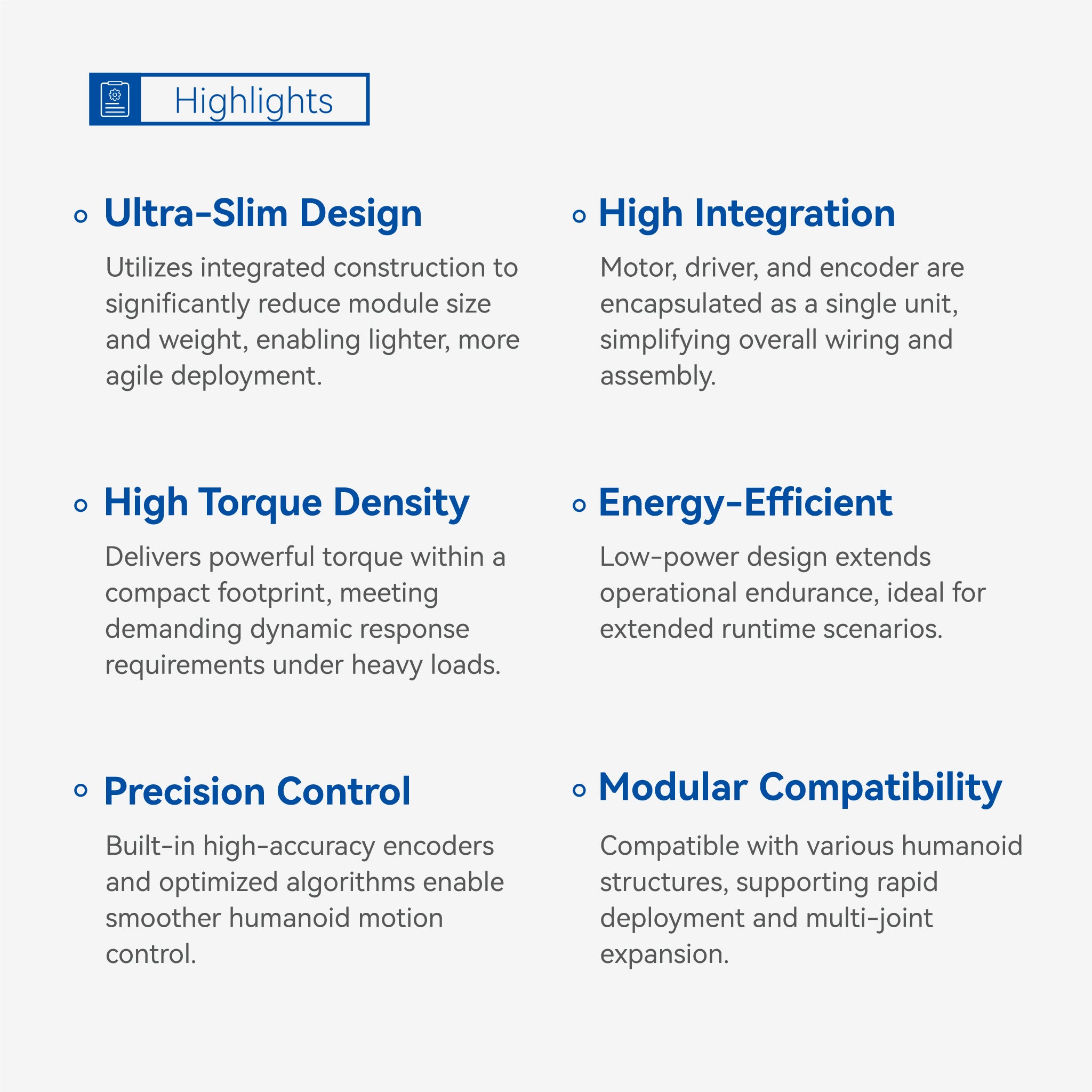
Leadshine HJ2 series harmonic actuators supports EtherCAT high-speed bus for fast response; high torque density, low heat generation, and long endurance; lightweight ultra-thin design saves space and enables flexible integration.
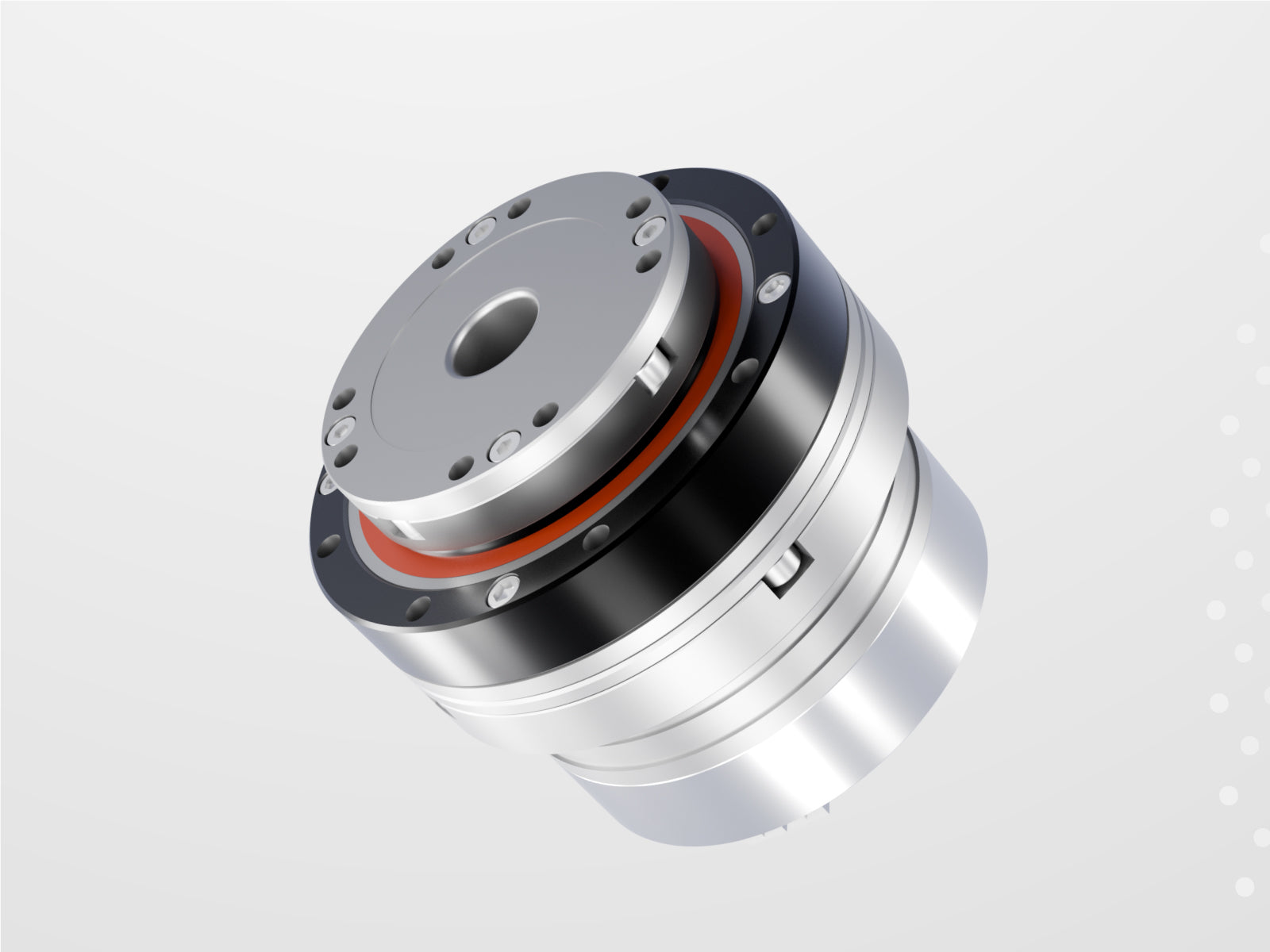
Universal Module, Extreme Thin & Light
Compatible with various humanoid structures, supporting rapid deployment and multi-joint expansion. Adopting an integrated design, it reduces overall weight by 65%, enabling lighter and more flexible operation.
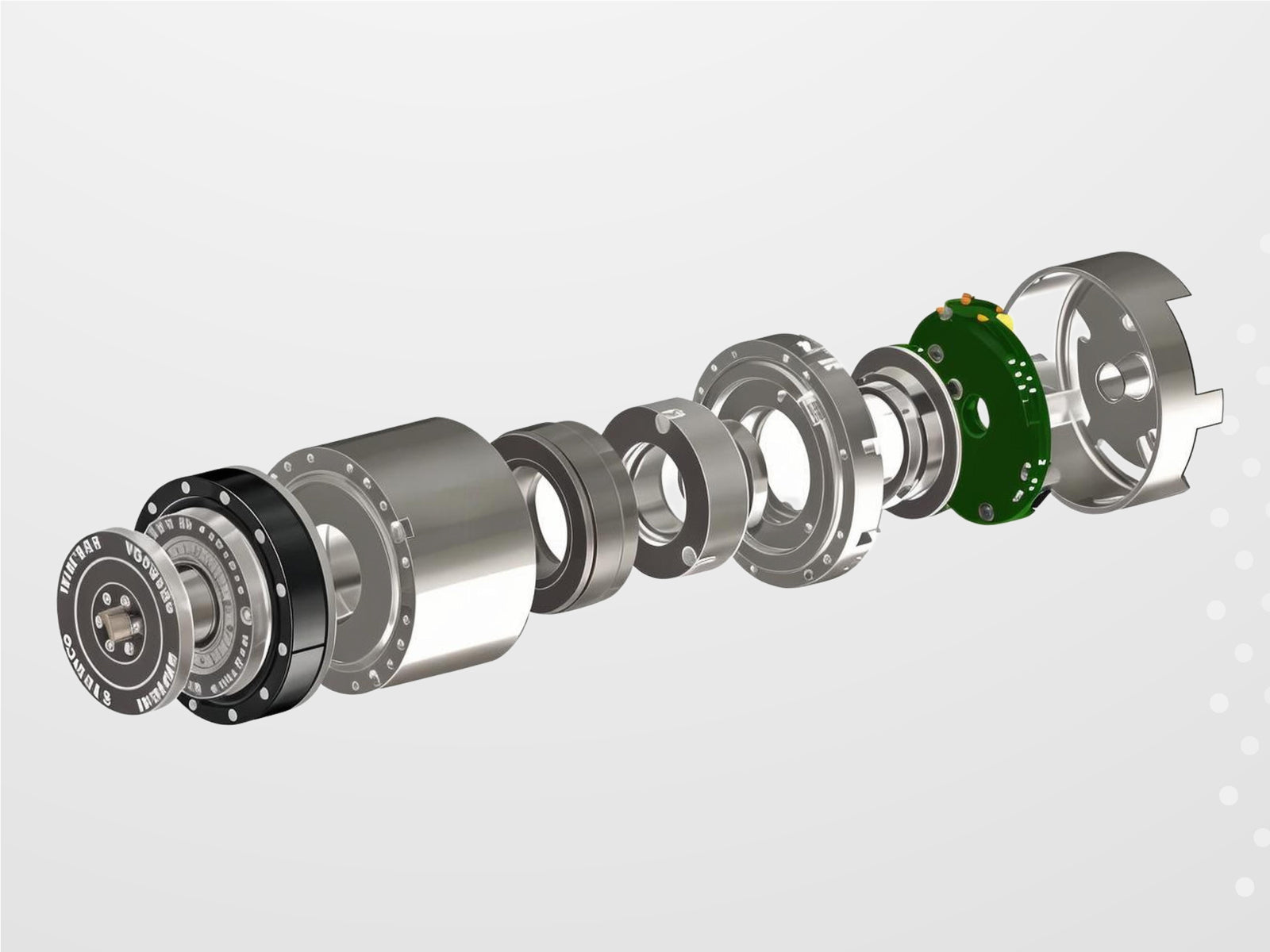
20% Smaller in Size, More Compact Design
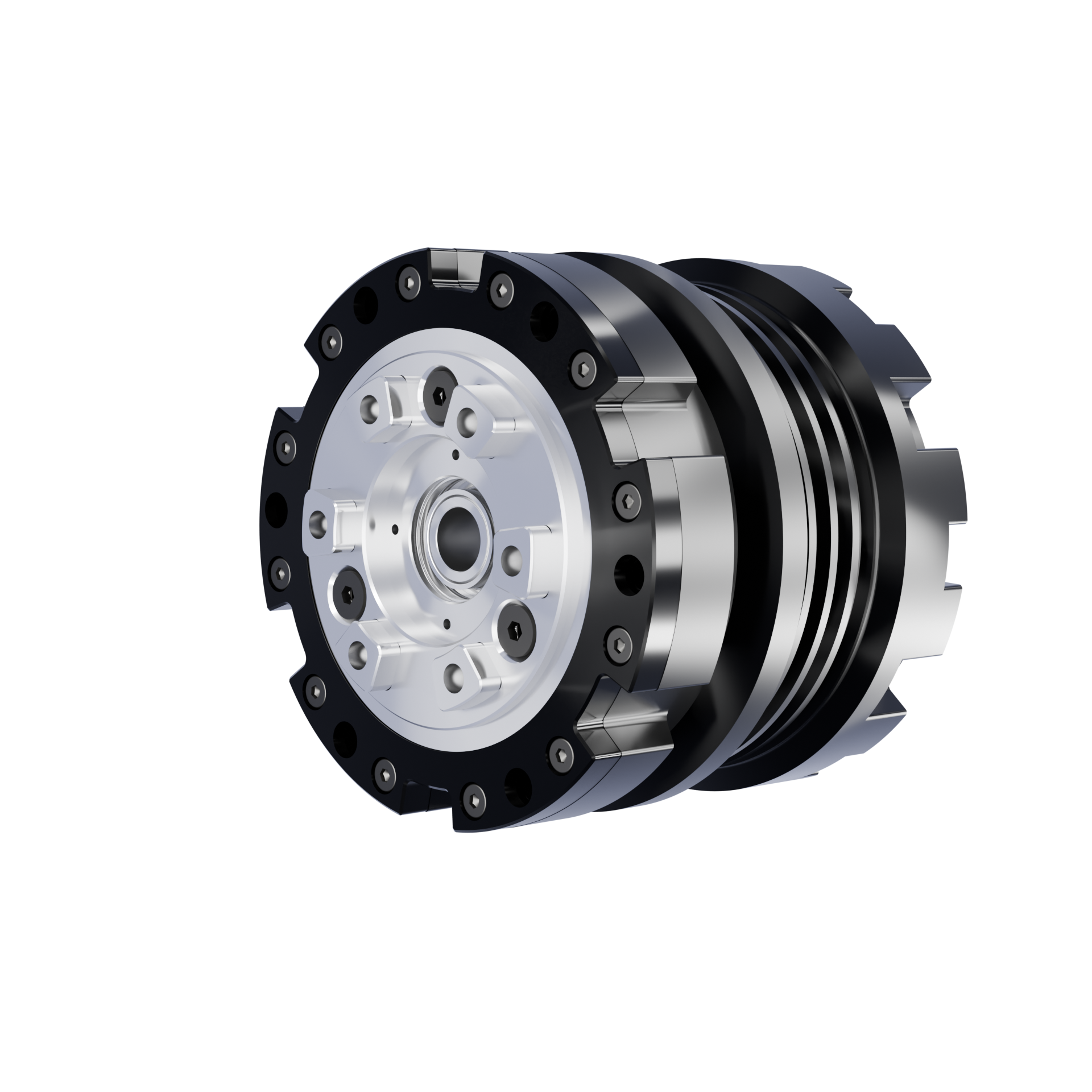
Integrated packaging of motor, driver, and encoder simplifies system wiring and assembly.
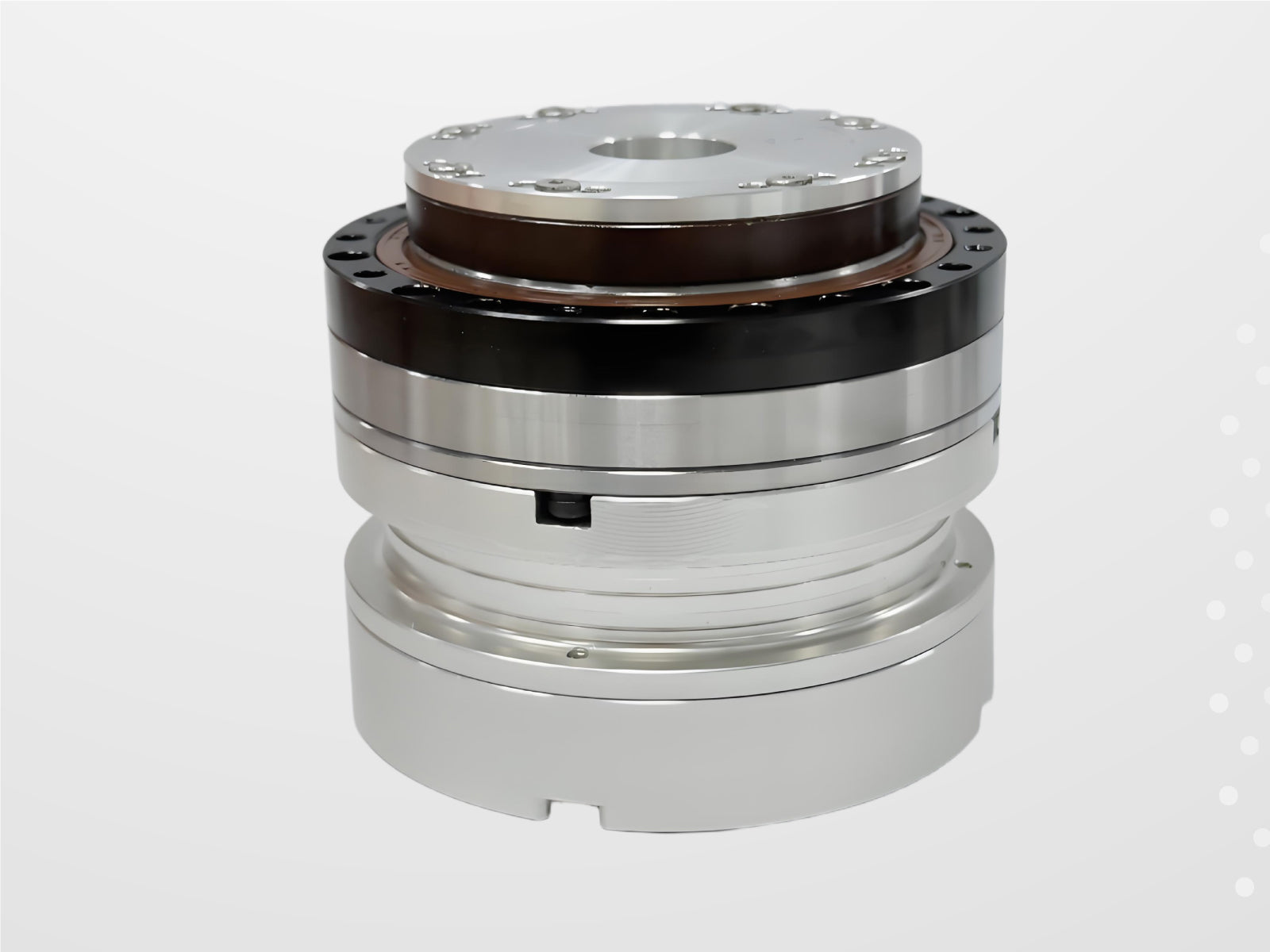
Dual Heat Dissipation Design for Sustained High-performance Operation
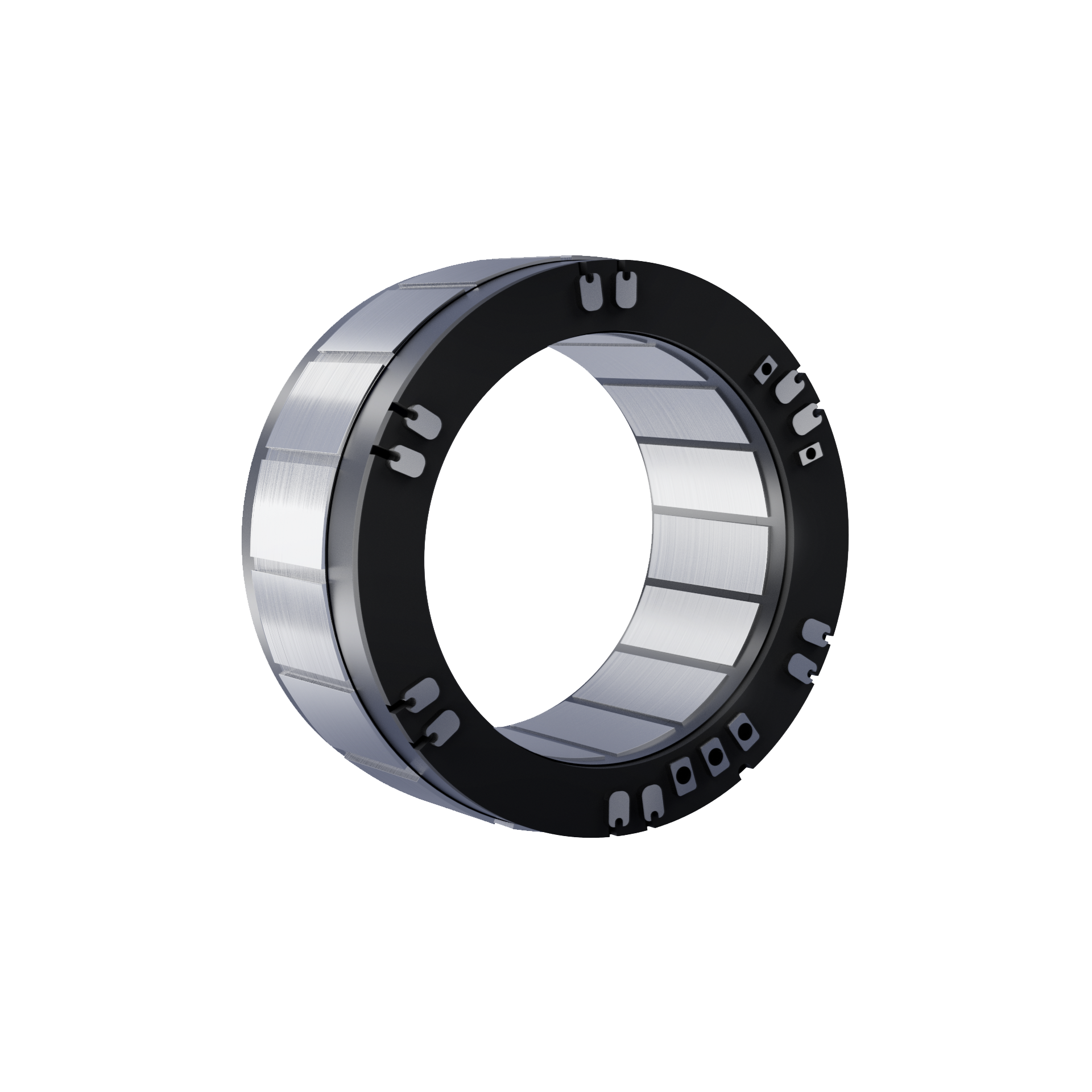
Our self-developed FM2 frameless torque motors: generate 25% less heat than existing market options, with aluminum alloy construction for excellent thermal conductivity.
Main Applications
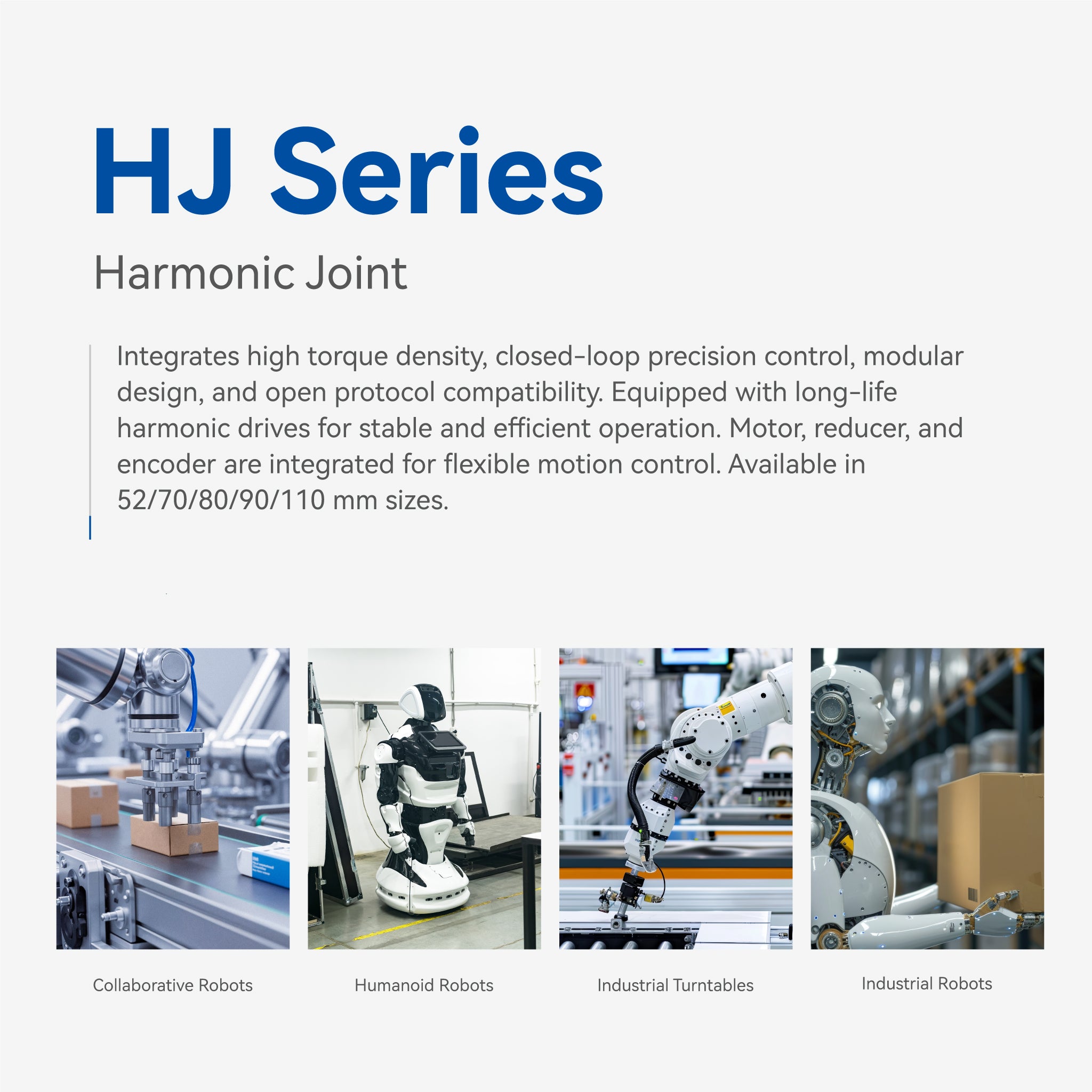
Leadshine HJ2 series integrated actuators are mainly used for multi-degree-of-freedom components of humanoid robots and collaborative arms, such as upper and lower limb joints, waist and neck, supporting complex movements including walking, grasping, operation and interaction.
Main Application Advantages
• High power density to meet the demands of high-speed and high-load actions
• Lightweight and compact structure to reduce overall robot weight
• High-precision position and torque control for natural and smooth movement
• Integrated frameless motor, ring-shaped driver, and hollow encoder for easy modular installation
• Built-in overload protection and safety control algorithms to enhance human-robot interaction safety

Main Application Advantages
• High power density to meet the demands of high-speed and high-load actions
• Lightweight and compact structure to reduce overall robot weight
• High-precision position and torque control for natural and smooth movement
• Integrated frameless motor, ring-shaped driver, and hollow encoder for easy modular installation
• Built-in overload protection and safety control algorithms to enhance human-robot interaction safety
Industry Solution
Leadshine's joint module products, featuring ultra-high torque density, ultra-low temperature rise, and an extremely compact design, are widely applicable to industry solutions for humanoid robots, quadruped robots, collaborative robots, and more.


${ formatMoney(variantsCurrent[0] && variantsCurrent[0].price) }
${ formatMoney(variantsCurrent[1] && variantsCurrent[1].price) }
${ formatMoney(variantsCurrent[2] && variantsCurrent[2].price) }
Radio
Peak Torque (N·m)
Max Allowable Torque at Average Load (N·m)
Rated Torque @2000 rpm (N·m)
Peak Speed (RPM)
Rated Speed with 1/2 Rated Torque (RPM)
Backlash (arcsec)
Supply Voltage (VDC)
Max Current (A)
Rated Current (A)
Resistance (Ω)
Inductance (mH)
Pole-pais
Torque Constant (N·m/A)
Encoder Resolution (bit)
Field Bus
Outer Diameter (mm)
Inner Diameter (mm)
Length (mm)
Mass (g)
Inertia (g·cm² )
Learn More
FAQs for Integrated Actuator
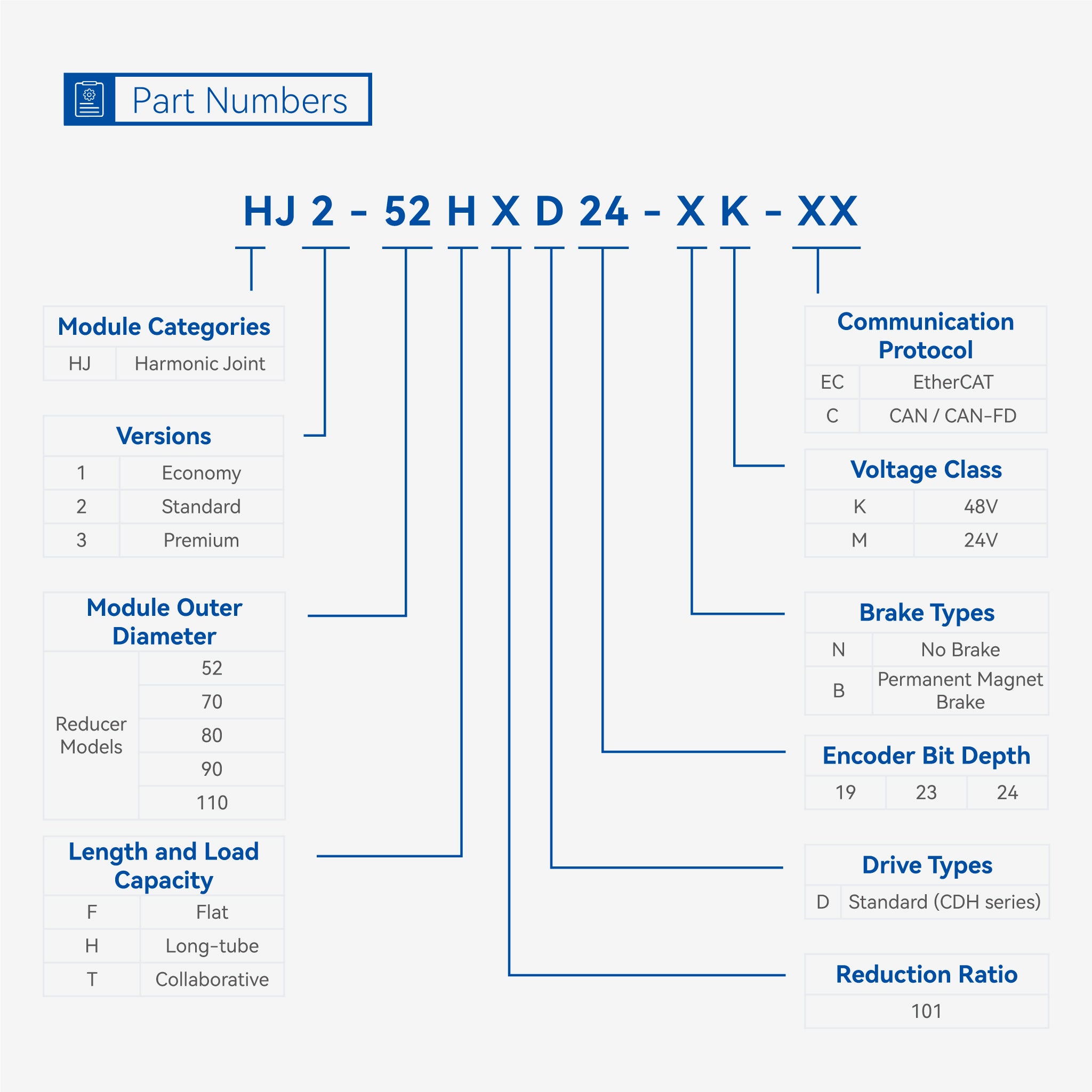
1. What is the installation method? Does it support front/back (reversible) installation and hollow routing installation?
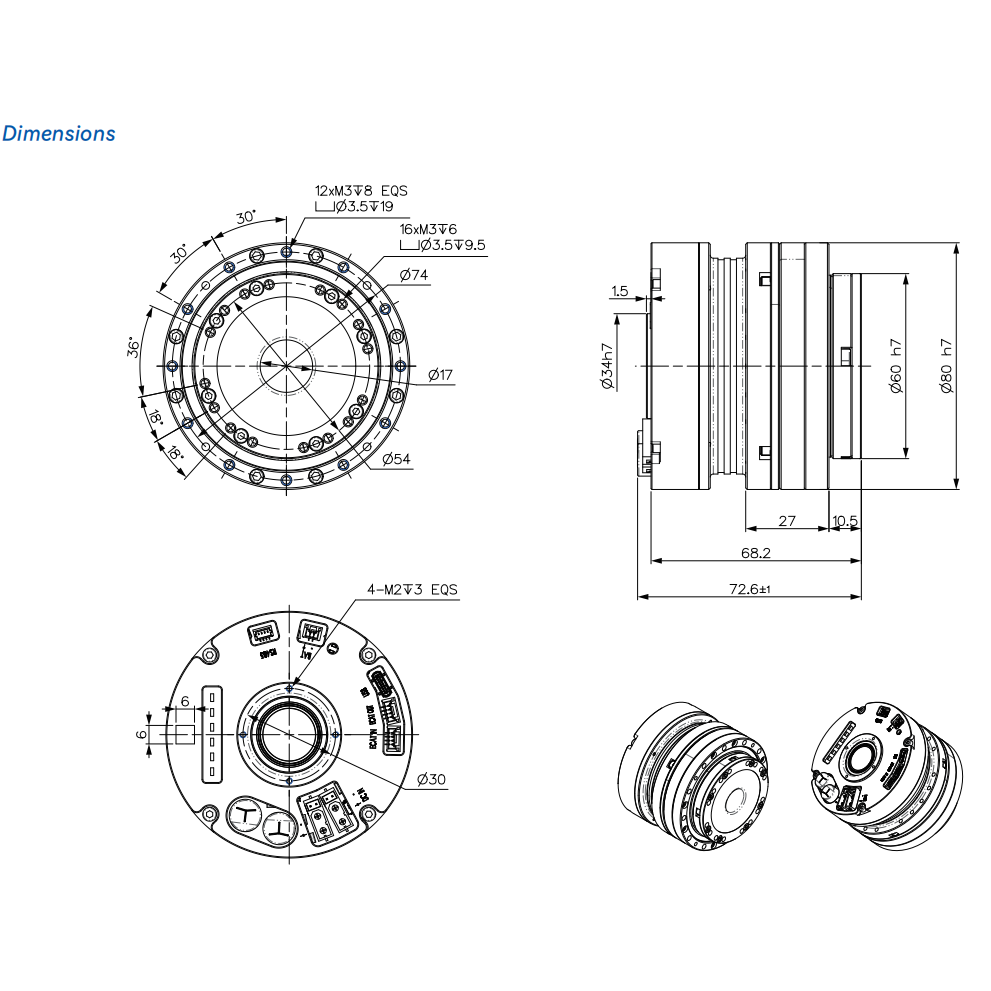
The module is designed for flange mounting. The hollow structure facilitates routing of air pipes, cables, etc. through the center. Installation at any angle is supported. It is recommended to install according to the 3D drawing while keeping the axial load centered.
2. Does it support direct integration with existing mechanical structures?
Yes. We can provide standard installation interface dimensions, flange interfaces, output shaft dimensions, and other information. Fast non-standard customization services are also available.
3. What communication protocols do Leadshine's joint modules support? Are they compatible with existing control systems?
They support mainstream protocols such as EtherCAT、CAN and CAN FD, offering good compatibility. Communication manuals and sample code are available for quick integration with mainstream controllers.
4. Does it support host computer debugging software? Can users perform secondary development?
Yes. Debugging tools and basic development interfaces (e.g., communication protocol documents) are provided to facilitate quick access and testing for developers.
5. Are the reducers in the integrated actuators harmonic or planetary? What is their lifespan?
Both harmonic gear and planetary reducer options are available. Harmonic reducers are lightweight and high-precision, making them suitable for collaborative robots. planetary reducers offer high rigidity and impact resistance, making them suitable for industrial robots or heavy-load applications. Under normal operating conditions, the lifespan is generally 5 to 10 years.
6. What is the approximate lifespan of the module? Can it run continuously?
The design lifespan is typically over 10,000 hours, supporting 7×24 continuous operation.
7. Are there any application cases for Leadshine's joint modules? How is their stability?
They have been applied in collaborative robots, industrial automation, humanoid robots, and medical rehabilitation robots, with positive customer feedback and stability exceeding that of competitors.
8. Can they adapt to harsh environments, such as dust or high temperatures?
Standard modules are recommended for use in normal room temperature environments.
9. Do they have over-temperature and stall protection?
Yes. The modules have built-in temperature, current, and voltage detection mechanisms, and feature multiple protection functions including over-temperature, over-current, and stall protection.
10. Can the modules be customized according to the customer's complete machine structure requirements?
Yes. Non-standard customization is supported, including flange dimensions, shaft length, output type, communication interface, cable interface, and more. You are welcome to provide 3D drawings or technical requirements to discuss customization details.
11. If a module breaks down, can individual components be replaced? Is maintenance convenient?
Due to the integrated design, some components may not be suitable for individual replacement. However, detailed maintenance instruction videos or illustrated manuals can be provided to assist customers with maintenance operations.

Stock Code: 002979
Address: 15-20/F Block B, Nanshan l Valley, No.3157,Nanshan District, Shenzhen City Guangdong Province China
Tel: +86 0755 86088550
Fax: +86 0755 26402718
Website: https://www.leadshine.com
Email: store@leadshine.com


